A smartly-seasoned wok appears like an invitation. Its patina pointers at ingredients prior and food to come back, promising smoky stir-fries, refined omelets, perchance even just right popcorn on a hungry night. But walk into any kitchen store or browse online, and you’ll face a resolution that stumps even seasoned house cooks: cast iron or carbon metal? Both supplies have devotees, the two declare custom and software. Yet they prepare dinner in another way, age in a different way, and call for their personal variety of care.
Let’s unravel the strengths and quirks of every so you can pick which pan will earn pleasure of situation on your stovetop.
The Heart of the Matter: What Sets These Materials Apart
Cast iron and carbon metallic sound an identical on paper: the two are iron-primarily based alloys, both demand seasoning, and each were utilized in Chinese kitchens for hundreds of years. But the info remember. Cast iron consists of more carbon - usually 2-4% - making it tougher yet additionally more brittle. Carbon metal is ready 99% iron with much less than 1% carbon, which offers it flexibility and a lighter construct.
The change in format changes the whole lot approximately how a wok behaves over heat. Cast iron woks hang onto warm like a financial institution vault; carbon metallic woks warm up briefly and funky down simply as swift. That unmarried reality shapes pretty much each and every issue of cooking system and upkeep.
Heat Retention vs Responsiveness: The Crucial Trade-Off
Picture making a brief beef stir-fry. You choose screaming scorching oil to sear thinly sliced meat in seconds, then cool issues down instantly if you toss in aromatics or sauce. Here’s where the two materials diverge.
A forged iron wok excels at stable warmness retention. Once sizzling, it stays scorching even if you add cold components. This is staggering for deep-frying or braising increased cuts: temperature dips are minimal, so oil stays effervescent and sauce simmers gradually. However, if your recipe requires speedy differences in temperature or shifting delicacies between top sear and easy sauté, solid iron can suppose sluggish. It takes time to warmness up - quite often various minutes longer than thin pans - and cools slowly after the burner’s off.
Carbon steel woks behave extra like nimble athletes. They warmth up immediate, reply suddenly once you carry or slash the flame, and funky down simply as directly. This agility is why so much legit Chinese kitchens use carbon metallic. In a hectic eating place where dishes fly out in mins, cooks want on the spot manipulate to reap wok hei - that elusive smoky sear that defines extensive stir-fry.
Weight and Ergonomics: Lifting Matters More Than You Think
The first time I picked up a forged iron wok - a spherical-bottomed 14-inch kind from northern China - it felt like hefting a bowling ball with handles. Empty, it weighed close to 10 kilos. After some hours of cooking, my wrists begged for mercy.
Most abode cooks underestimate how a lot tossing, shaking, and tilting goes into authentic wok cooking. A heavy pan makes these moves perplexing or not possible for many other people. Stir-frying with a forged iron wok incessantly ability because of a spatula to push foodstuff round instead of flipping materials with a wrist snap.
Carbon metal woks shine the following. Even a widespread 14-inch wok hardly ever weighs more than 3 pounds. With exercise, you can still toss noodles one-exceeded or tip out fried rice with a flick of the wrist. If you plan to cook dinner for crowds or test restaurant tactics like “volcano” fried rice (the place flames start as rice hits the pan), carbon metallic’s lightness isn’t simply easy - it’s obligatory.
Seasoning: Building Nonstick the Old-Fashioned Way
Both forged iron and carbon metal woks desire a protective layer known as seasoning - polymerized oil baked onto the surface to create nonstick houses and avoid rust. This strategy is a part ritual, half chemistry.
Cast iron develops seasoning promptly on account that its rougher surface supplies oil extra to grasp to. After only some uses (noticeably with excessive-warm searing), you’ll detect cuisine sticking much less and color deepening to a bronze-black patina. Cast iron’s porosity also ability it absorbs flavors over the years - either a blessing (for fried rice) and low curse (whenever you by accident burn garlic).
Carbon metallic begins smoother however requires greater awareness early on. The first few uses might possibly be sticky affairs as the initial layer builds up inconsistently. It helps to fry up batches of scallions or ginger slices to accelerate polymerization before tackling mushy ingredients like eggs or tofu. Once professional, regardless that, carbon metal behaves basically identically to forged iron - slick surface, convenient unlock - yet with barely much less flavor absorption.
One tip learned using trial: preclude cleaning soap on both pan while cleaning. Hot water and a bamboo brush do the trick maximum days. For stubborn crusts, pour in a few water whereas the wok’s nonetheless heat to steam off residue.
Durability Over Decades
If you wish a pan handy down to your grandkids (or simply leave out on the porch for decades), solid iron wins for brute sturdiness. I’ve considered century-outdated Chinese cast iron woks nevertheless in use in rural kitchens - scarred from wood fires yet flawlessly practical. Cast iron resists warping even below abuse; drop it on tile, and you would chip the floor earlier hurting the pan.
Carbon steel is hard however thinner by using necessity. It can warp if heated erratically (for example, blasting the ground over extreme fuel flames when the sides keep cool). On uncommon activities - say, shedding a heavy wok off a countertop part - it should dent or deform completely. Still, such a lot good quality carbon metal woks remaining many years with events use.
Both parts rust if omitted. The great information: superficial rust on the whole scrubs off with steel wool followed by using a brief re-seasoning.
Cooking Techniques: Where Each Wok Shines
Different recipes carry out the ideal in both subject matter.
For prime-temperature stir-frying - imagine red meat chow amusing or kung pao poultry - carbon steel’s responsiveness regulation. You can toss in aromatics simply because the oil shimmers, blast them with warmth for seconds, then push them apart whereas meat will get its flip within the core. When you upload sauce, the pan cools barely to avert burning sugars sooner than chopping instantly lower back.

Cast iron woks excel in sluggish-cooked dishes or whatever thing nerve-racking continuous simmering. Braised pork belly (hong shao rou) benefits from cast iron’s even warm distribution; the sauce thickens lightly, meat stays juicy, and there’s little risk of hot as long as you stir periodically.
Deep-frying shines in both pan given that either maintain warm properly as soon as preheated. Cast iron has a mild facet for immense batches because its mass maintains oil temperature good while bloodless gadgets go in.
Steaming? Both paintings once you use a bamboo rack above simmering water. Just take into account that that forged iron takes longer to reach a boil.
For eggs or pancakes (usually made in flat-bottomed woks), cast iron’s seasoning tends to be more forgiving early on. Thin eggs slide out extra certainly once the pan’s smartly broken in.
Stove Compatibility: Gas vs Induction vs Electric
Traditional spherical-backside woks were designed for open flames. Most Western properties use flat stovetops - electric coils or induction surfaces - which complicates matters.
Carbon steel woks come in flat-bottomed models perfect for progressive stoves. They nonetheless enhance that conventional “hot spot” inside the heart however take a seat securely devoid of wobble.
Cast iron woks could be trickier simply because their weight may spoil glass tops if dropped or slid forcefully. Some flat-bottomed solid iron fashions exist (Lodge makes a typical one), however they take longer to warm compared to thinner pans.
Induction cooking works satisfactory with flat-bottomed woks of both subject material on account that induction depends on touch zone. If you’re committed to wok hei flavor because of induction, look for carbon steel items designed mainly for these stoves.
On outdoors fuel burners - chiefly those helpful “wok burners” favourite by some fanatics - either pan works beautifully. The precise query will become how a lot arm electricity you wish to make investments in the course of prolonged cooking sessions.
Maintenance Realities: Keeping Your Wok Ready
No be counted which subject material you decide on, overlook invitations rust and sticky messes. Yet renovation routines do range relatively.
Cast iron tolerates rougher scrubbing if vital; its thick partitions shrug off wire brushes or chainmail pads whilst cleansing burnt-on bits. After washing, dry competently over heat sooner than employing a skinny sheen of oil to evade rust.
Carbon metal is greater sensitive to abrasive cleaning early on (until now its seasoning matures). Use delicate brushes or non-steel scrubbers to evade scraping off new layers. Like forged iron, dry wholly after washing and rub with oil ahead of garage.
One phrase of caution: evade storing acidic ingredients (tomato sauces, citrus-heavy marinades) in both wok overnight. Acids damage down seasoning layers without delay and might impart off flavors next time you cook.
If disaster strikes - probably somebody forgets to dry the pan after washing - don’t panic. Surface rust cleans up with elbow grease observed through a quick re-seasoning session over excessive warm.

Price Points: What Should You Pay?
A stable wok doesn’t desire to settlement a fortune. In such a lot markets, a fundamental carbon metallic wok runs anyplace from $20 to $50 USD based on dimension and thickness. Restaurant offer stores quite often sell them inexpensively due to the fact professionals substitute them most often after years of arduous service.
Cast iron woks stove from $30 for trouble-free items to $a hundred-plus for artisanal imported manufacturers with hand-hammered finishes or extraordinary shapes. Expect to pay greater for thicker walls or distinctiveness beneficial properties like cast handles.
Pre-seasoned pans cost a little extra however retailer time in the course of preliminary setup. Some chefs want “raw” unseasoned versions as a way to construct seasoning from scratch by way of conventional programs (frying aromatics over high warmth for hours).
The Learning Curve: Which Is Friendlier for Beginners?
There’s no disgrace in desiring hassle-free wins early on. For novices to wok cooking, carbon steel’s lightness could make approach really feel much less intimidating. Flipping veggies or noodles will become basically instinctive after some attempts.
Cast iron rewards staying power but needs edition; its heft slows down tossing motions yet promises forgiveness in relation to burning soft meals owing to its steady heat.
If your goal is basic Cantonese stir-fry with greatest management over timing and texture, commence with carbon metallic. If you desire slow-cooked dishes or want to exploit your wok for every thing from popcorn to pancakes without fussing over speedy temperature swings, cast iron has allure.
Real-World Edge Cases
Some kitchens provide wonderful challenges that switch the equation.
If you might have arthritis or restricted hand strength, lifting a cast iron wok complete of delicacies can be out of succeed in with out suggestions. In those circumstances, carbon steel is an obtrusive pick.
Apartment dwellers with touchy smoke alarms could conflict attaining appropriate wok hei interior without reference to subject material; powerful out of doors burners paired with both pan offer improved outcome while searing at critical temperatures.
And should you dream of employing your wok over campfires or charcoal pits at some point of outside gatherings? Cast iron shrugs off direct flames with no warping at the same time thin carbon metallic calls for cautious control to stay clear of hotspots that deform its shape.
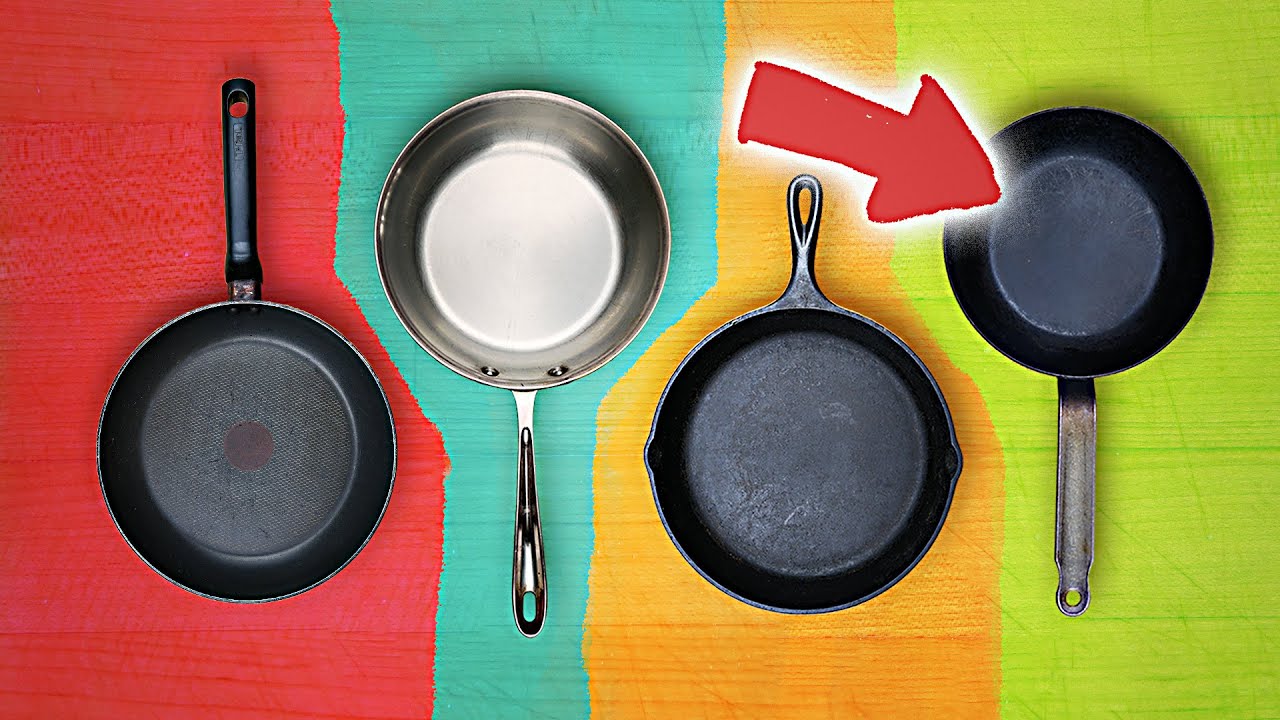
Side-By-Side Comparison Table
Here’s a instant review to distill key adjustments between cast iron and carbon steel woks:
| Feature | Cast Iron Wok | Carbon Steel Wok | |----------------------|------------------------|--------------------------| | Weight | Heavy (eight-12 lbs wide-spread)| Light (2-four lbs frequent) | | Heat retention | Excellent | Good | | Responsiveness | Slow | Fast | | Seasoning pace | Quick | Slower initially | | Rust resistance | Similar (necessities care) | Similar (needs care) | | Durability | Extremely lengthy-lasting | Long-lasting | | Price variety | $30 - $a hundred+ | $20 - $50 | | Stove compatibility | Best on gasoline | Gas/induction/electrical | | Tossing/managing | Difficult | Easy |
Choosing Your Wok: A Simple Framework
With some of these nuances swirling around, how should you opt for? Here’s a rapid list to concentration your determination-making:
Consider your stove class: If you've got you have got gasoline or outside burners, both works good; for induction/electric flat tops, look for flat-bottomed carbon metal. Think approximately how a lot tossing vs stirring you’ll do: Frequent tossers advantage from carbon metallic’s lightness. Reflect on what recipes excite you maximum: If your dream dish is smoky stir-fried veggies at lightning speed, carbon steel fits perfect; if it’s long-simmered stews or deep-fried delights for a crowd, forged iron is onerous to conquer. Be trustworthy about preservation: If you choose low-fuss seasoning that builds instantly irrespective of what you prepare dinner, forged iron promises mild forgiveness. Factor in storage space: Cast iron takes up more actual property because of the its bulk and weight.Personal Experience: Why My Kitchen Has Both
After years operating in eating place kitchens round Shanghai and Los Angeles - and instructing house chefs right here in Seattle - I’ve long past by over a dozen woks of each size and subject material.
For lightning-fast weekday dinners (shrimp with snow peas tossed in less than three minutes), I attain for my battered 14-inch carbon metallic workhorse every time. It heats quick on my fuel diversity and flips fried rice effortlessly.
For weekend initiatives like pink-braised red meat abdominal or fried whole fish in which consistent warmness subjects more than maneuverability, my classic forged iron wok has no same. Its thick walls hold effervescent oil at proper temperature even when I add kilos of chilly additives without notice.
Truthfully? If you prepare dinner Asian food consistently and have room for two pans - get either in the event that your finances facilitates. Each brings something detailed in your table.
But if area is tight otherwise you prefer simply one respectable buddy beside your range? Let your recipes aid you. Pick the https://edwincwqu689.cavandoragh.org/durability-face-off-cast-iron-wok-vs-carbon-steel-1 wok that fits how you love to prepare dinner in these days - knowing it'll grow along your abilities for a few years beforehand.
Final Thoughts
No piece of cookware sparks debate slightly just like the humble wok. Both forged iron and carbon metallic deserve their region in culinary background - no longer only for nostalgia’s sake but given that they relatively form what finally ends up for your plate.
Whether sizzling scorching for five-minute stir-fries or simmering quietly as a result of lengthy afternoons, your collection will become component to your kitchen rhythm through the years. There’s no wrong answer - merely what works gold standard in your arms, your range, your appetite for event.
So take time to address both if you are able to sooner than shopping. Notice what feels typical on your grip; assume tossing veggies on a busy weeknight or coaxing flavors out over hours on a lazy Sunday. Whichever way you lean within the Cast Iron Wok vs Carbon Steel debate, embrace it utterly - seasoning stains and all - and allow your popular dishes inform their reports one meal at a time.